Viking Trail Partner Tours
Viking Trail Partner Accommodations
Social Media Feeds
Scroll To Top
| Captured By The Vikings | Category: Tours | Location: Main Brook |
| Tuckamore Lodge | Category: Accommodations | Location: Main Brook |
| Dockside Motel | Category: Accommodations | Location: St. Barbe |
| Viking Lodge | Category: Accommodations | Location: Pistolet Bay |
| Mayflower Adventures | Category: Attractions | Location: Roddickton-Bide Arm |
| Icebergs & Whales | Category: Tours | Location: St. Anthony |
| Point Riche Restaurant | Category: Restaurant | Location: Port au Choix |
| Bird Cove | Category: Towns | Location: Bird Cove |
| Iceberg Trails & Treasures | Category: Tours | Location: Roddickton-Bide Arm |
| Burnt Cape Cabins | Category: Accommodations | Location: Raleigh |
| Walk, Look, Listen | Category: Tours | Location: Main Brook |
| Sea Echo Motel | Category: Accommodations | Location: Port au Choix |
| Flower's Cove | Category: Towns | Location: Flower's Cove |
| Genevieve Bay Inn | Category: Accommodations | Location: St. Barbe |
| Moose Hunt | Category: Tours | Location: Main Brook |
| Grenfell Heritage Hotel & Suites | Category: Accommodations | Location: St. Anthony |
| Fishing & Heritage Sites | Category: Tours | Location: Main Brook |
| Coming Full Circle | Category: Tours | Location: Main Brook |
| It's A Viking Life For Us! | Category: Tours | Location: St. Anthony |
| Torrent River Inn | Category: Accommodations | Location: Hawke's Bay |
| Mayflower Inn | Category: Accommodations | Location: Roddickton-Bide Arm |
| Encounters With Wildlife | Category: Tours | Location: Main Brook |
| Haven Inn Restaurant | Category: Restaurant | Location: St. Anthony |
| Land Of The Giants | Category: Tours | Location: Main Brook |
| Atlantic Salmon Fly Fishing | Category: Tours | Location: Roddickton-Bide Arm |
| From Your Nose To Your Toes | Category: Tours | Location: Main Brook |
| Adventure Awaits | Category: Tours | Location: St. Anthony |
| Kids Xplore | Category: Tours | Location: L'Anse aux Meadows |
| Moose, Caribou & Bear Hunt | Category: Tours | Location: Main Brook |
| Quirpon Lighthouse Inn | Category: Accommodations | Location: Quirpon Island |
| Haven Inn | Category: Accommodations | Location: St. Anthony |
| Geocache Hunt | Category: Tours | Location: L'Anse aux Meadows |
| French Shore Battles & Breads | Category: Tours | Location: Roddickton-Bide Arm |
| Kissin' In The Woods | Category: Tours | Location: Roddickton-Bide Arm |
| Caribou Hunt | Category: Tours | Location: Main Brook |
| Salmon & Trout Fishing | Category: Tours | Location: Main Brook |
| Icebergs, Whales & Viking Tales | Category: Tours | Location: St. Anthony |
| Burnt Cape Tours | Category: Attractions | Location: Raleigh |
| Spring & Summer Hiking | Category: Tours | Location: Roddickton-Bide Arm |
| Bear Hunt | Category: Tours | Location: Main Brook |
| Experience Newfoundland Outdoors | Category: Tours | Location: Hawke's Bay |
| Geocache Hunt | Category: Tours | Location: Port au Choix |
| Plymouth Dining Room | Category: Restaurant | Location: Roddickton-Bide Arm |
| Lighthouse Inn, Whales & Bergs | Category: Tours | Location: Quirpon Island |
| Picnic With A View | Category: Tours | Location: L'Anse aux Meadows |
| Zodiac Tour | Category: Tours | Location: Quirpon Island |
| Fishing & Eco Tour | Category: Tours | Location: Main Brook |
| Paddle & Stroll | Category: Tours | Location: Quirpon Island |
| Tuckamore Adventures | Category: Attractions | Location: Main Brook |
| Torrent River Inn Restaurant | Category: Restaurant | Location: Hawke's Bay |
| Main Brook | Category: Towns | Location: Main Brook |
| Moose & Caribou Hunt | Category: Tours | Location: Main Brook |
| Honeymoon Hideaway | Category: Tours | Location: St. Anthony |
| Burnt Cape Café | Category: Restaurant | Location: Raleigh |
| Dockers Diner | Category: Restaurant | Location: St. Barbe |
| Moose & Bear Hunt | Category: Tours | Location: Main Brook |
| Parsons Pond | Category: Towns | Location: Parsons Pond |
| Old Ferrole Restaurant | Category: Restaurant | Location: Plum Point |
| Plum Point Motel | Category: Accommodations | Location: Plum Point |
| Caribou & Bear Hunt | Category: Tours | Location: Main Brook |
| Stroll & Scoff | Category: Tours | Location: Raleigh |
| Raleigh Rooms | Category: Accommodations | Location: Raleigh |
| Linkum Tours | Category: Attractions | Location: Quirpon Island |
| Bog Trotting | Category: Tours | Location: Main Brook |
| Heave Away Or Hangashore Adventures | Category: Attractions | Location: St. Lunaire-Griquet |
| L'Anse au Clair | Category: Towns | Location: L'Anse au Clair |
| Middle Brook Cottages | Category: Accommodations | Location: Glenburnie |
| Grandois/St. Julien's | Category: Towns | Location: Conche |
| Forteau | Category: Towns | Location: Forteau |
| Englee | Category: Towns | Location: Englee |
| Wild Bight | Category: Towns | Location: Wild Bight |
| St. Carol's | Category: Towns | Location: St. Carol's |
| St. Anthony Bight | Category: Towns | Location: St. Anthony Bight |
| Mary's Harbour | Category: Towns | Location: Mary's Harbour |
| Trout River | Category: Towns | Location: Trout River |
| Reidville | Category: Towns | Location: Reidville |
| St. Lunaire-Griquet | Category: Towns | Location: St. Lunaire-Griquet |
| Raleigh | Category: Towns | Location: Raleigh |
| Great Brehat | Category: Towns | Location: Great Brehat |
| Glenburnie-Birchy Head-Shoal Brook | Category: Towns | Location: GBS |
| Reefs Harbour | Category: Towns | Location: Reefs Harbour |
| Port au Choix | Category: Towns | Location: Port au Choix |
| Green Island Cove | Category: Towns | Location: Green Island Cove |
| Plum Point | Category: Towns | Location: Plum Point |
| Port Saunders | Category: Towns | Location: Port Saunders |
| Daniel's Harbour | Category: Towns | Location: Daniel's Harbour |
| St. Barbe | Category: Towns | Location: St. Barbe |
| St. Anthony | Category: Towns | Location: St. Anthony |
| Cape Onion - Ship Cove | Category: Towns | Location: Cape Onion - Ship Cove |
| L'Anse aux Meadows | Category: Towns | Location: L'Anse aux Meadows |
| Gunners Cove | Category: Towns | Location: Gunners Cove |
| Woody Point | Category: Towns | Location: Woody Point |
| Straitsview | Category: Towns | Location: Straitsview |
| Wiltondale | Category: Towns | Location: Wiltondale |
| West St. Modeste | Category: Towns | Location: West St. Modeste |
| Norris Point | Category: Towns | Location: Norris Point |
| L'Anse au Loup | Category: Towns | Location: L'Anse au Loup |
| Portland Creek | Category: Towns | Location: Portland Creek |
| L'Anse Amour | Category: Towns | Location: L'Anse Amour |
| Roddickton-Bide Arm | Category: Towns | Location: Roddickton-Bide Arm |
| Battle Harbour | Category: Towns | Location: Battle Harbour |
| River of Ponds | Category: Towns | Location: River of Ponds |
| Croque | Category: Towns | Location: Croque |
| Hay Cove | Category: Towns | Location: Hay Cove |
| Conche | Category: Towns | Location: Conche |
| Hawke's Bay | Category: Towns | Location: Hawke's Bay |
| Rocky Harbour | Category: Towns | Location: Rocky Harbour |
| Cow Head | Category: Towns | Location: Cow Head |
| Quirpon | Category: Towns | Location: Quirpon |
| Blanc Sablon | Category: Towns | Location: Blanc Sablon |
| Goose Cove | Category: Towns | Location: Goose Cove |
| Deer Lake | Category: Towns | Location: Deer Lake |
| Red Bay | Category: Towns | Location: Red Bay |
| Cormack | Category: Towns | Location: Cormack |
| Category: | Location: |
| Tours | Accommodations | Experiences | Food & Dining | Towns | About Us |
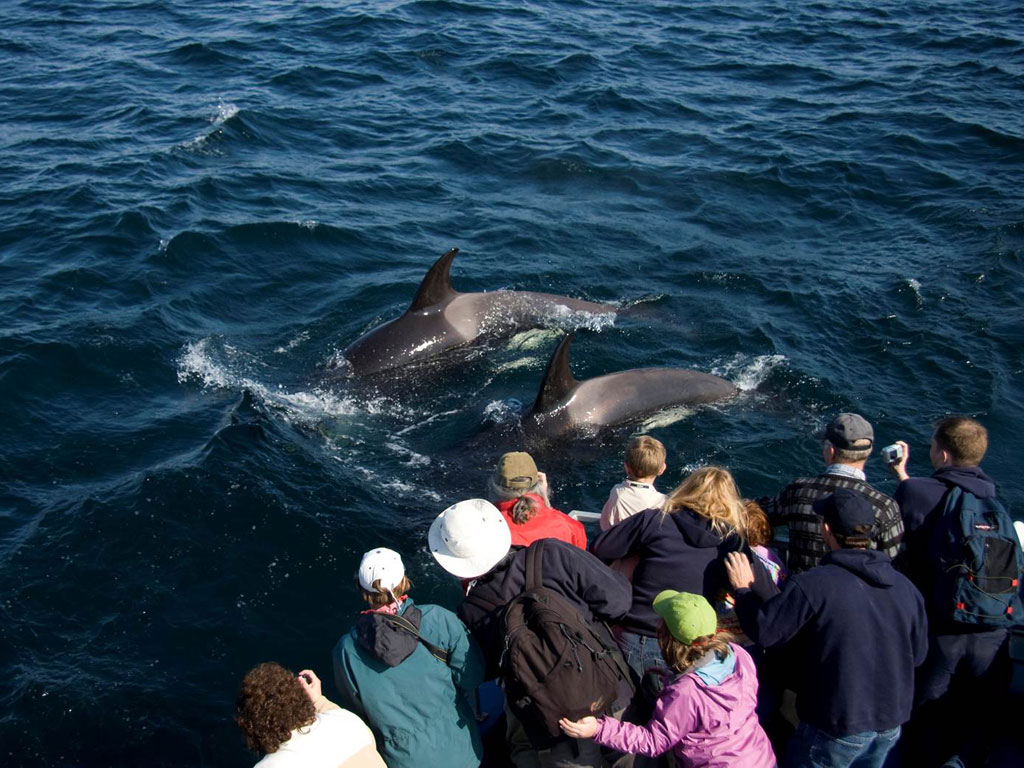
| Icebergs, Whales & Viking Tales By Grenfell Heritage Hotel St. Anthony |
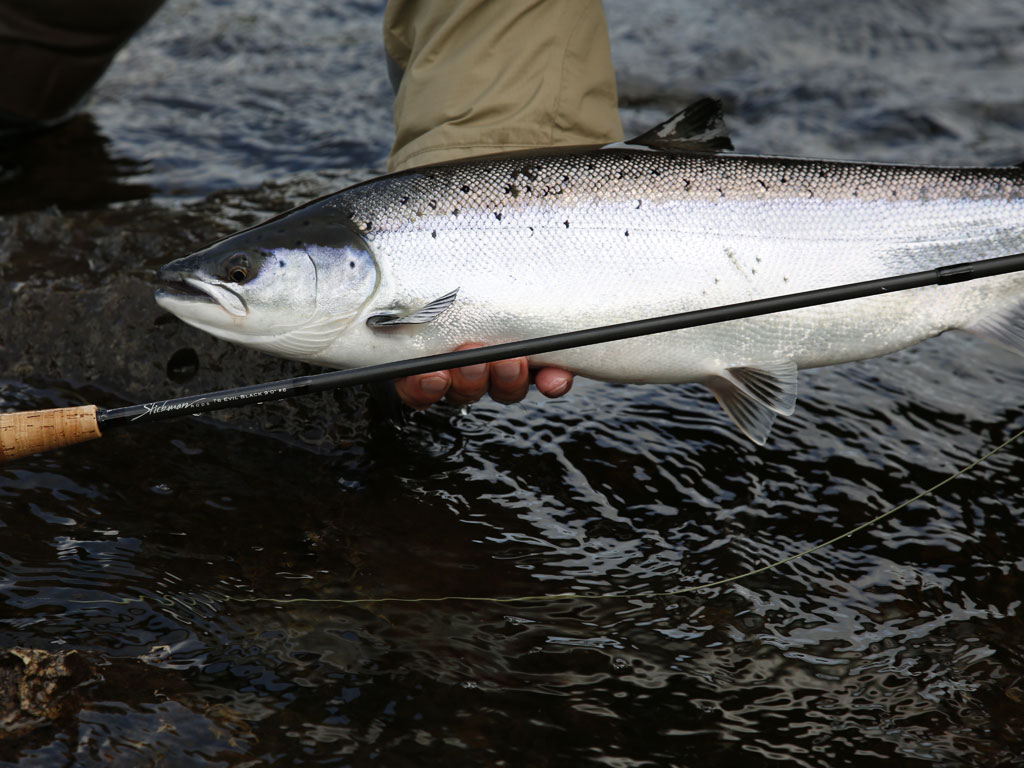
| Fishing & Eco Tour By Tuckamore Lodge Main Brook |
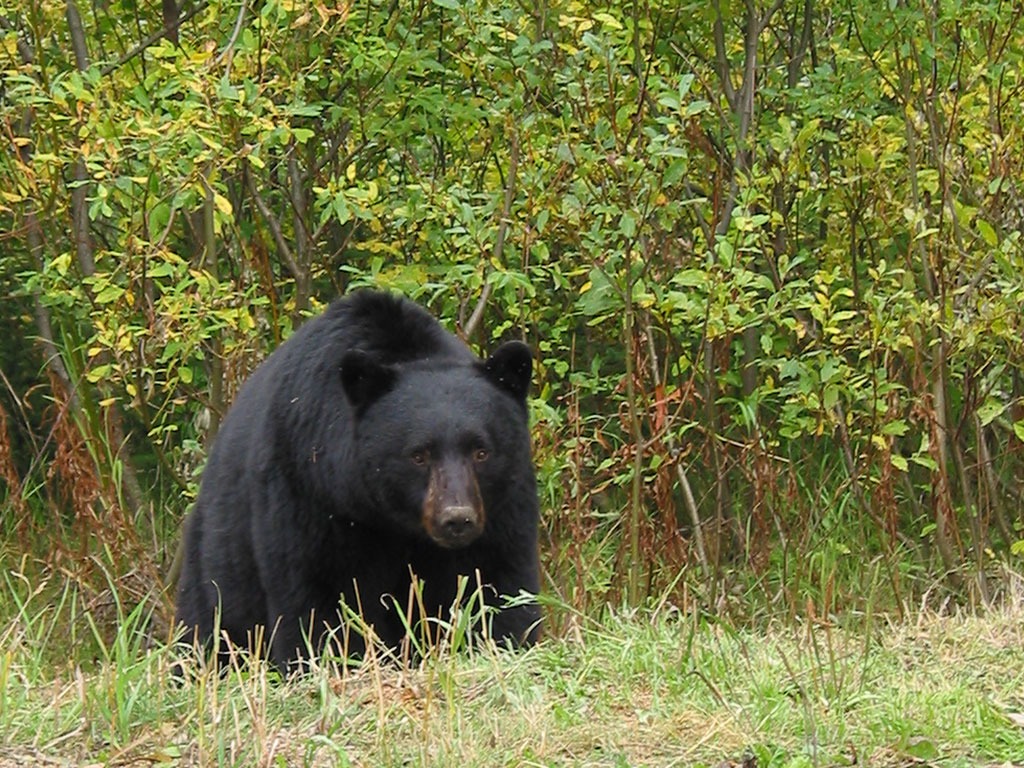
| Bear Hunt By Tuckamore Lodge Main Brook | $2950 USD |
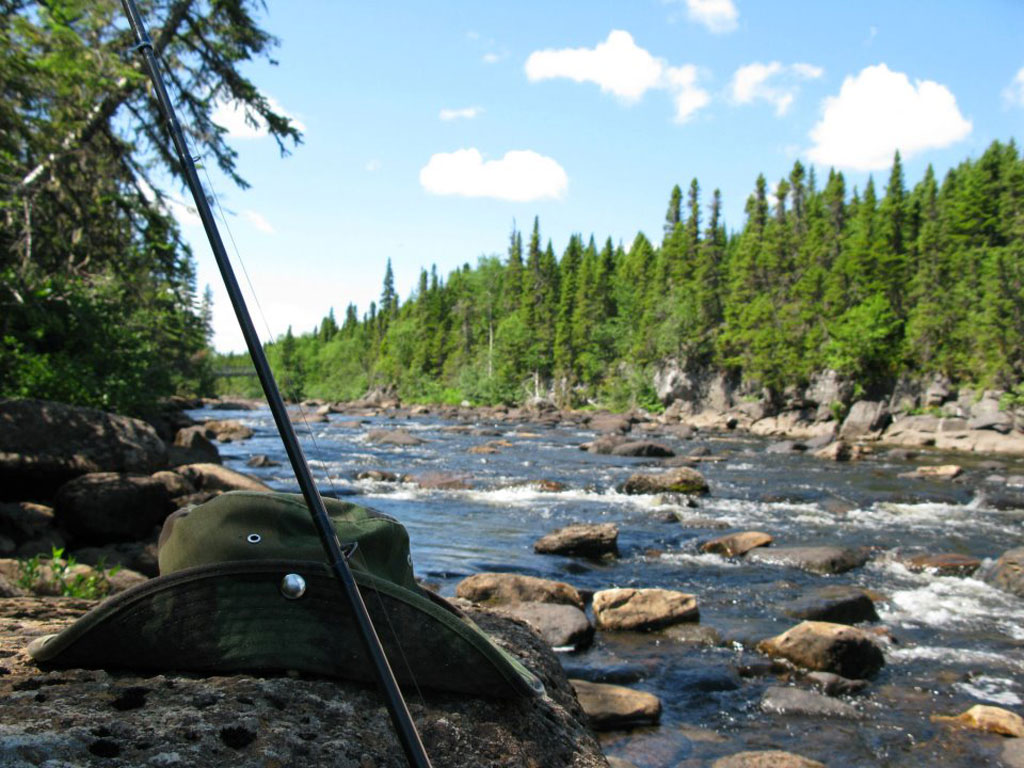
| Atlantic Salmon Fly Fishing By Mayflower Outfitters Roddickton-Bide Arm | $6,000 CDN |
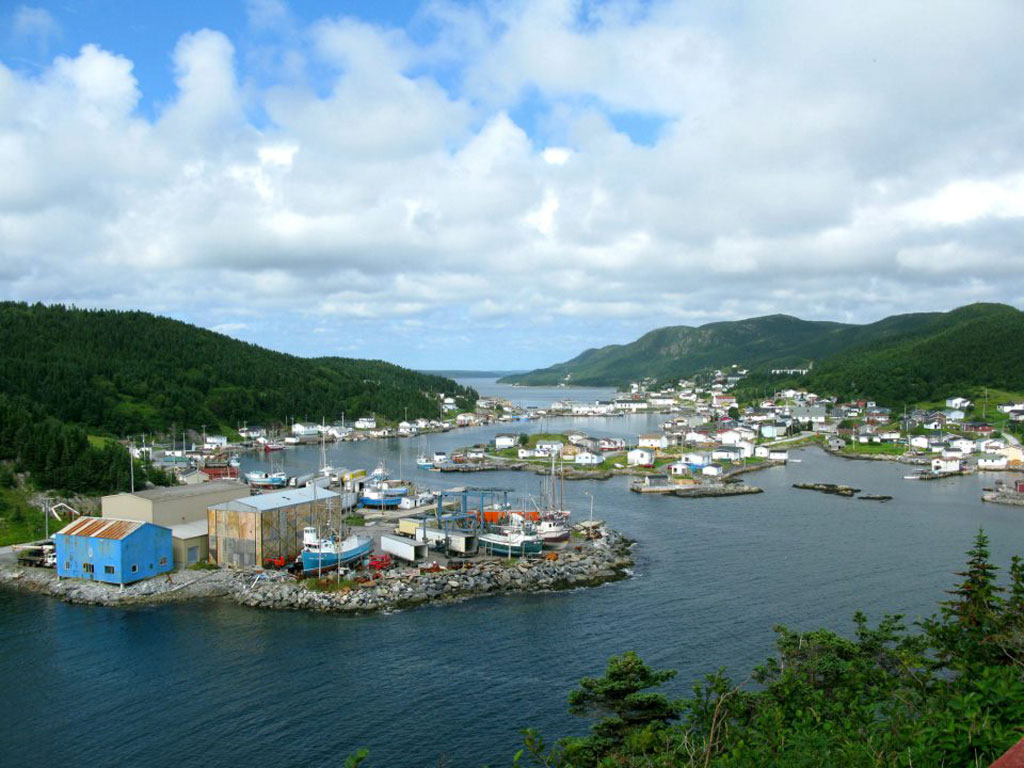
| French Shore Battles & Breads By Mayflower Outfitters Roddickton-Bide Arm |
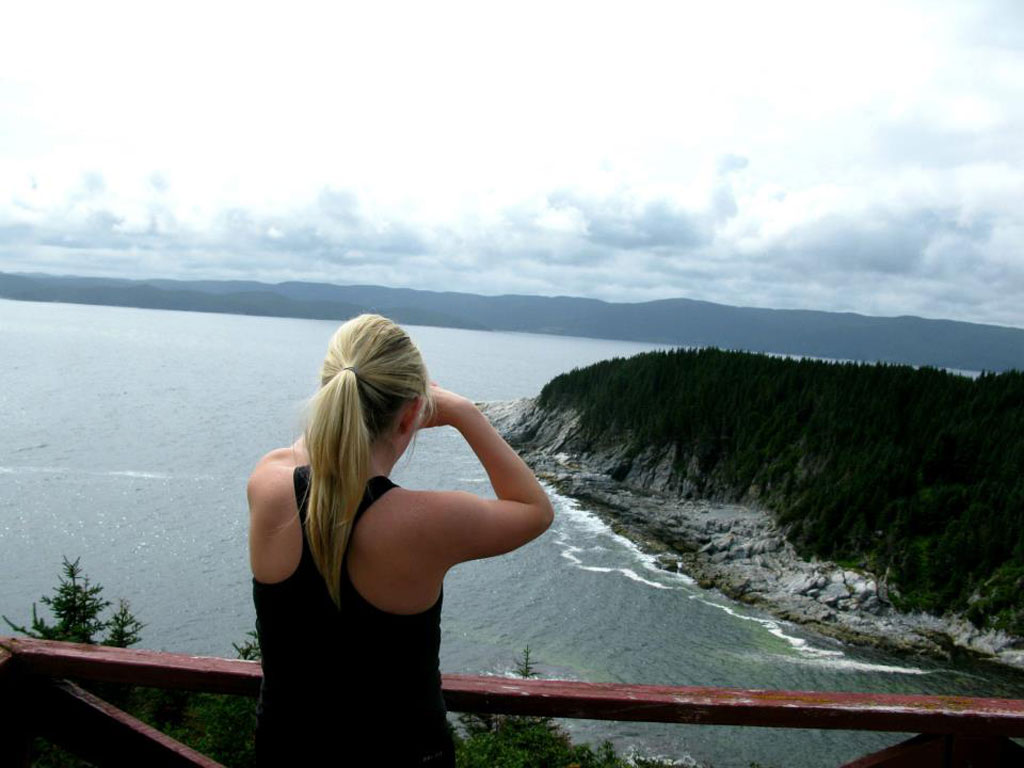
| Iceberg Trails & Treasures By Mayflower Outfitters Roddickton-Bide Arm |
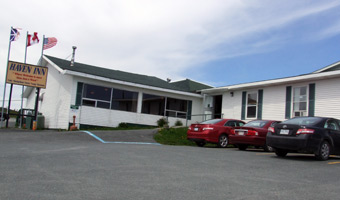
| Adventure Awaits By Haven Inn St. Anthony | $130 per couple |
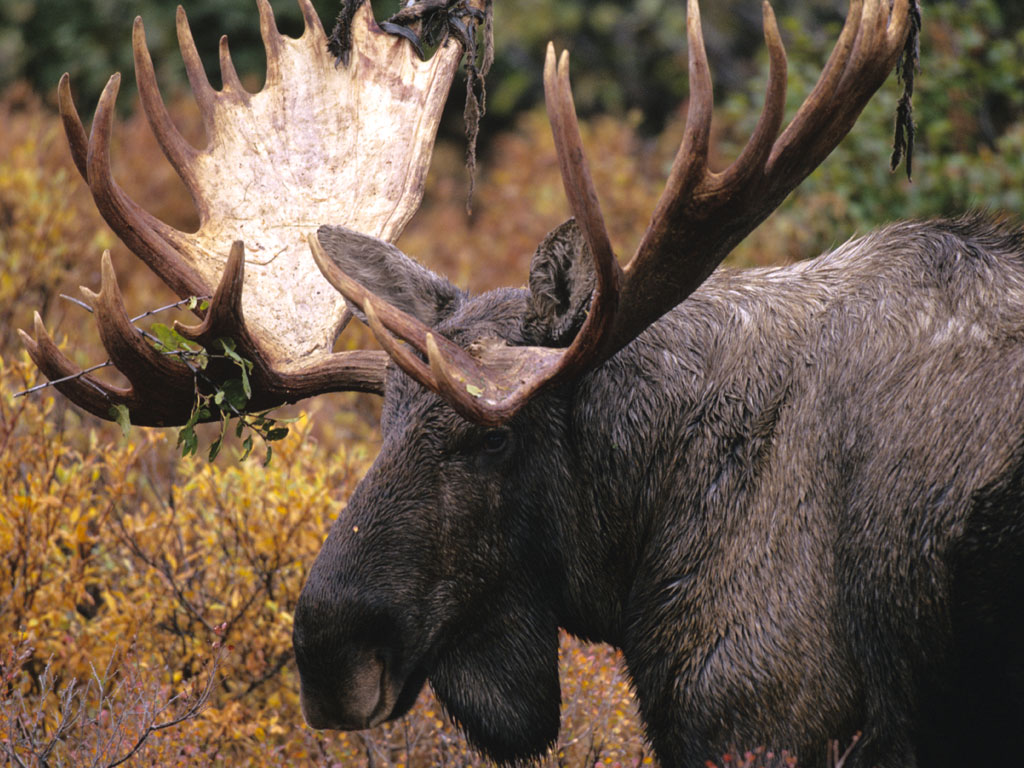
| Moose & Bear Hunt By Tuckamore Lodge Main Brook | $6,400 USD |
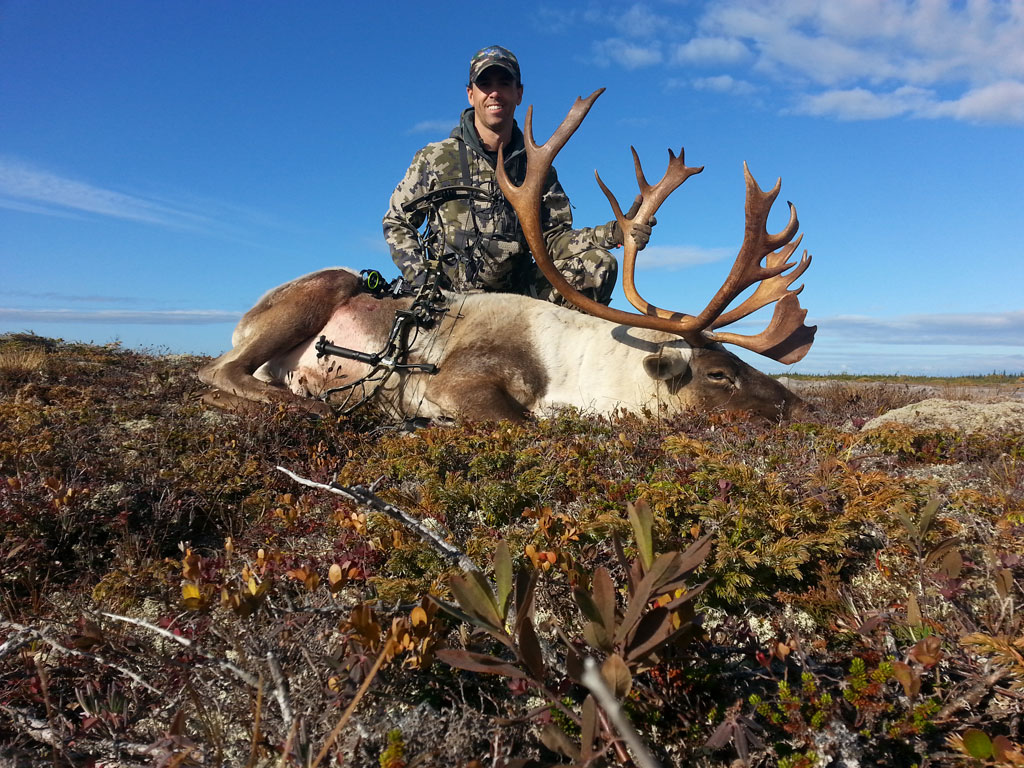
| Moose & Caribou Hunt By Tuckamore Lodge Main Brook | $16,400 USD |

Website by Glacier Cove Designs
© Copyright 2024 Viking Trail Tourism